Guides
Taking a Drone on a Plane: How to Do It Right
Updated on 3 min read
Written with AI: This text was written with the help of artificial intelligence. Technical data and legal information are based on the linked manufacturer and authority sources. Learn more
The rules at a glance
| What | Carry-on | Checked baggage |
|---|---|---|
| Drone with battery inserted (up to 100 Wh) | allowed, recommended | only fully switched off and secured against switching on |
| Spare batteries up to 100 Wh | allowed | prohibited |
| Spare batteries 100 to 160 Wh | only with airline approval, at most 2 | prohibited |
| Batteries over 160 Wh | not as passenger baggage | not as passenger baggage |
| Remote controller, power bank | allowed (power bank like a spare battery) | power bank prohibited |
These rules are based on the ICAO dangerous goods regulations, which the Federal Aviation Office (Luftfahrt-Bundesamt, LBA) summarises for passengers. Airlines may be stricter. So check your airline’s baggage rules before you fly.
How many watt-hours does my drone battery have?
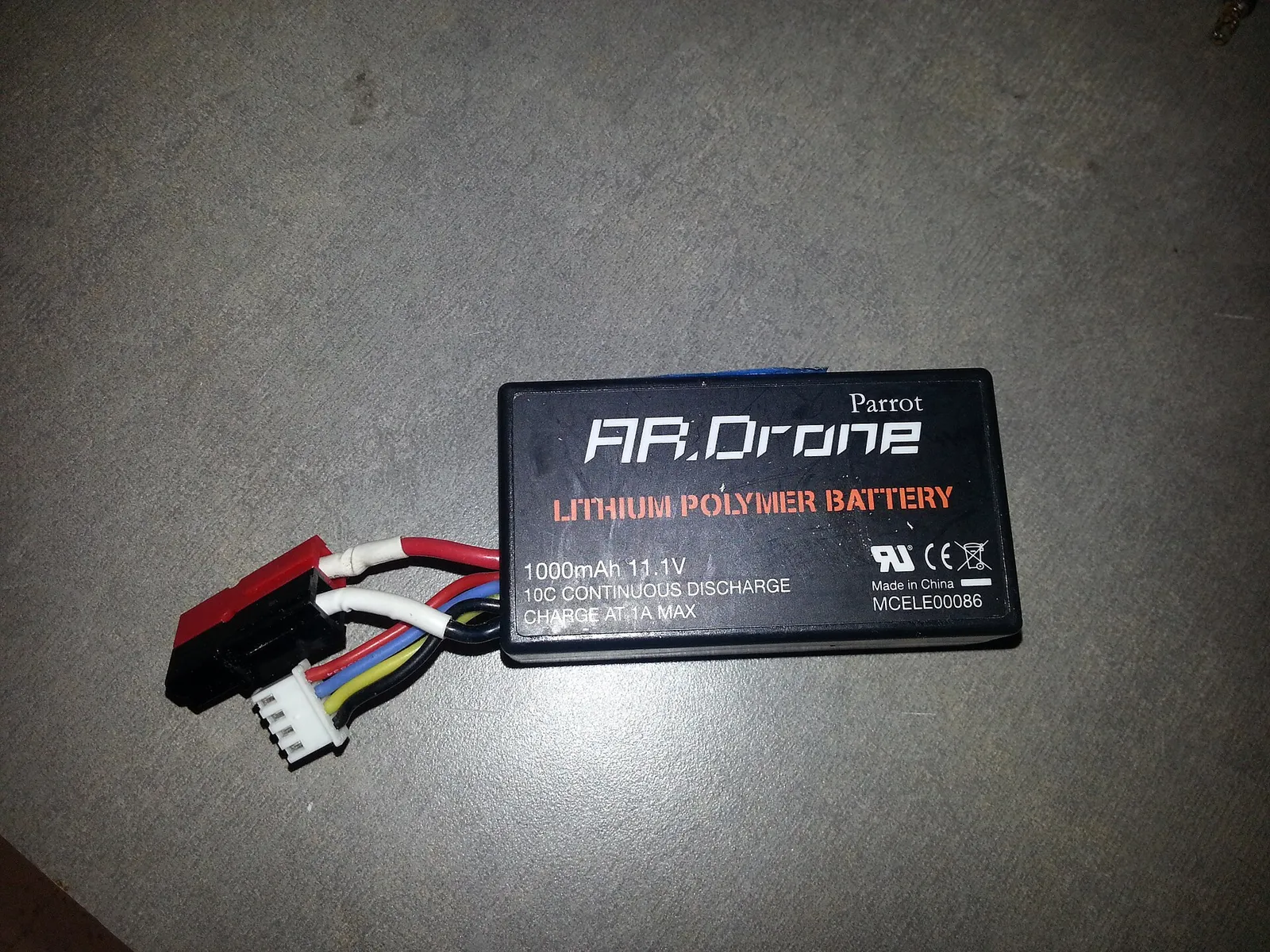
The watt-hours (Wh) are usually printed directly on the battery. If not, calculate them from voltage and capacity:
Wh = voltage (V) × capacity (mAh) ÷ 1,000
Example: A battery with 7.7 V and 2,500 mAh has 7.7 × 2,500 ÷ 1,000 = 19.25 Wh.
Batteries of small camera drones are usually well below 100 Wh. With larger drones and some FPV batteries it can get tighter. If in doubt, do the maths.
How to pack your drone and batteries correctly
- Batteries in your carry-on. All spare batteries and power banks go in your carry-on. No exceptions.
- Protect the terminals. Every loose battery must be protected against short circuits, for example with the original cap, tape over the contacts or individually in a pouch.
- Partially discharge batteries. Many manufacturers recommend a charge level of around half for transport and storage. A full battery is not prohibited, but a partially discharged one is safer.
- Switch the drone off. The drone must be fully switched off, not on standby.
- Use a fireproof bag. A fireproof battery bag is not mandatory, but it adds protection and keeps the batteries together.
- Keep the Wh rating visible. Make sure the Wh rating is readable. That saves discussions at the security check.
Drone in your carry-on or checked bag?
If there is room: in your carry-on. First, the battery can then stay in the drone. Second, the drone is protected from knocks there. The camera and gimbal of small drones are delicate.
If the drone has to go in your checked bag, take the battery out and carry it in your carry-on. Pad the drone well and secure the gimbal with the transport cover.
At your destination: what applies there?
Packing is not the end of it. At your destination, that country’s drone rules apply:
- EU countries: Your German registration and your drone pilot certificate (Kompetenznachweis) are valid there. Each country sets its own geographical zones and insurance rules.
- Popular holiday countries: An overview with country pages, for example on Austria, Italy or Spain, is under Drone on holiday.
- Countries outside the EU: Some countries require a permit or ban drones entirely. Check with the aviation authority of your destination country beforehand.
- Insurance: Check whether your drone insurance is valid abroad.
Frequently asked questions
Can I use my drone on the plane?
No. Drones and their remote controllers stay switched off during the flight.
How many spare batteries up to 100 Wh can I take?
The dangerous goods rules set no fixed maximum for these batteries. But airlines often limit the number. If you have many batteries, ask beforehand.
Does the remote controller with a built-in battery count as a spare battery?
No. It is a device with a built-in battery and may go in your carry-on. Switch it off completely.
What about damaged or swollen batteries?
Do not take them. Damaged lithium batteries are prohibited on planes as a rule and must be disposed of properly.
Sources
- Luftfahrt-Bundesamt: Elektronische Geräte mit Lithium-Batterien im Passagiergepäck (electronic devices with lithium batteries in passenger baggage), retrieved on 11 November 2026
- IATA: Passengers travelling with lithium batteries (PDF), retrieved on 11 November 2026
- EASA: Dangerous goods when flying, retrieved on 11 November 2026